
History
The History: A Legacy of Blood, Alliances, and Global Valor
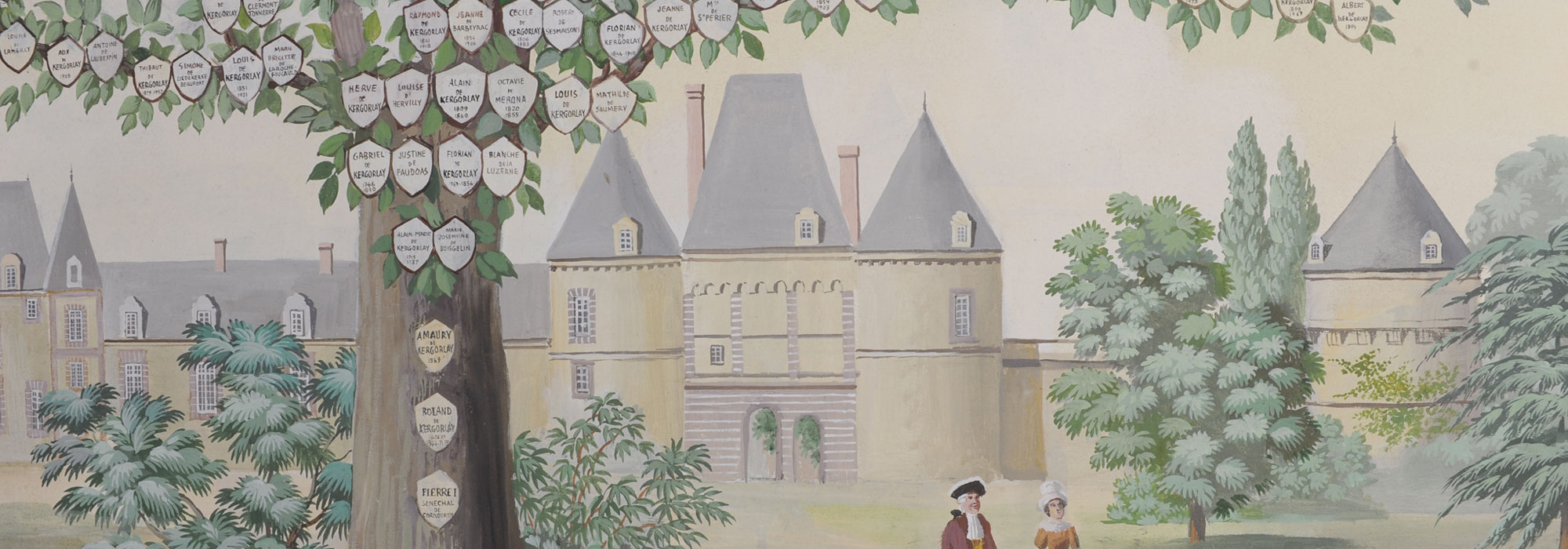
The connection between the Château de Canisy and the United States is deeply personal, woven into the family tree of the estate’s custodians through direct bloodlines and historic marriages. The estate stands as a testament to the brave French souls who risked everything during this transformative era, anchored by these pivotal figures:
Charles Carroll of Carrollton (Charles Carroll III): In a remarkable transatlantic twist, a direct ancestor of the Kergorlay family (the long-standing owners of the Château de Canisy) was the son-in-law of Charles Carroll III. Carroll was a towering intellectual, a foundational leader of the young republic, and famously the only Catholic signer of the American Declaration of Independence in 1776. This binding family tie bridges the soil of Normandy directly to the literal signing of America’s birth certificate.
General Arthur Dillon: The narrative of Canisy is further illuminated by the heroic memory of Count Arthur Dillon. A close relative of the family, Dillon was a brilliant military commander who crossed the Atlantic to fight British forces. He commanded the famous Dillon Regiment of the French Army, leading troops to victory at the Siege of Savannah and playing a monumental role in the final victory at Yorktown in 1781, which secured American Independence.
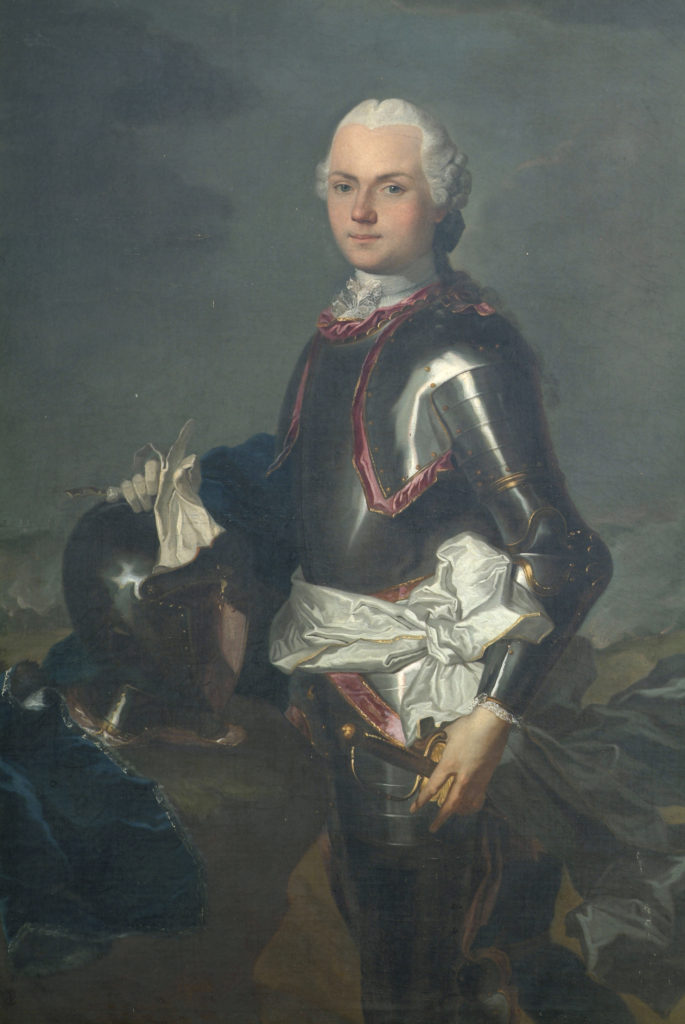
Percin Canon: He is an ancestor of the Countess who fought valiantly for American Independence against the British. His story took a fascinating turn during the subsequent French Revolution when he found himself in the West Indies opposing Revolutionary troops in Martinique commanded by Dugommier and Rochambeau.
An Exceptional Historic Place
The current chateau was built on the ruins of the medieval castle.
Several illustrious figures trod the halls of the Chateau de Canisy, such as King Henry IV of France, the Marshal of Matignon, and the famous political philosopher Alexis de Tocqueville (Democracy in America, 1835).
In the 20th century, in the midst of the Second World War, the chateau was occupied successively by the Germans and by General Omar Bradley, Chairman of the Joint Chiefs of Staff, and commander of the First US Army and the Twelfth Army Group.
Afterwards, the Major general James Rudder, hero of the Pointe du Hoc, occupied the chateau as well.
Then, the chateau was used as a military hospital.
A tradition of Hospitality
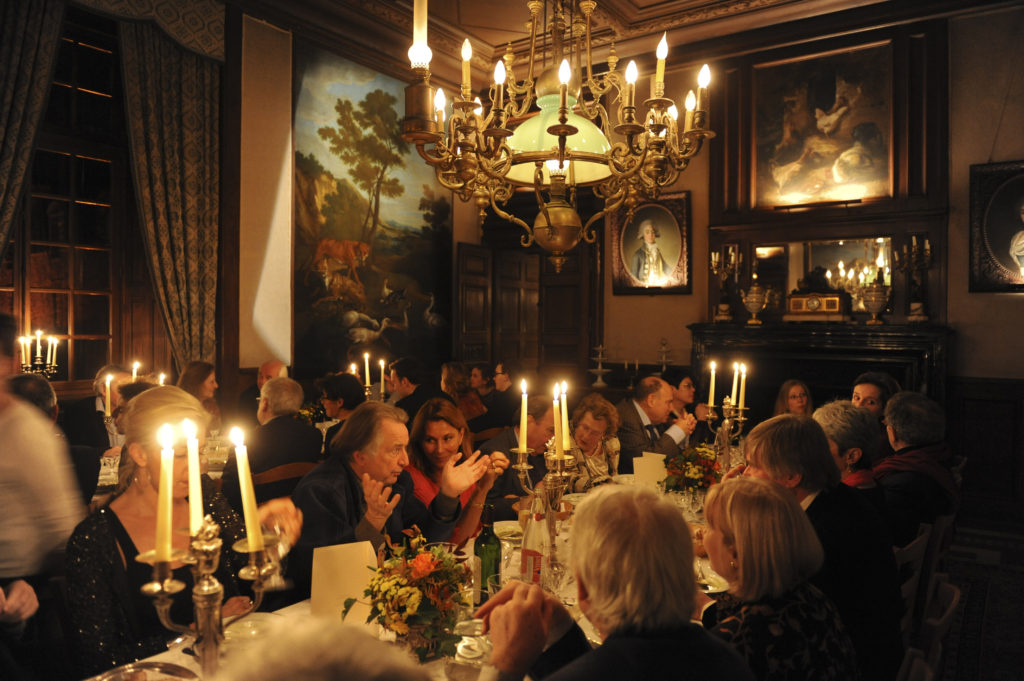
There is a close link between the Château de Canisy and the US, illustrated by a shared tradition of hospitality. The château has welcomed many prestigious guests such as Robert McNamara, Henry Kissinger and political leaders from America, Asia and Europe for the Aspen Institute meetings.
Every year, it also hosts American governors, members of the US Congress and military officials to celebrate D-Day.
In the past, the château has welcomed Empress Masako of Japan, Infanta Elena of Spain and many famous musicians and singers such as Joan Baez.
A CULTURAL PURPOSE
The chateau stays true to its cultural purpose. The theater was named after Laurent Terzieff, who performed at the château for a long time, as well as Jean Rochefort, who was a equestrian and a horse show enthusiast.
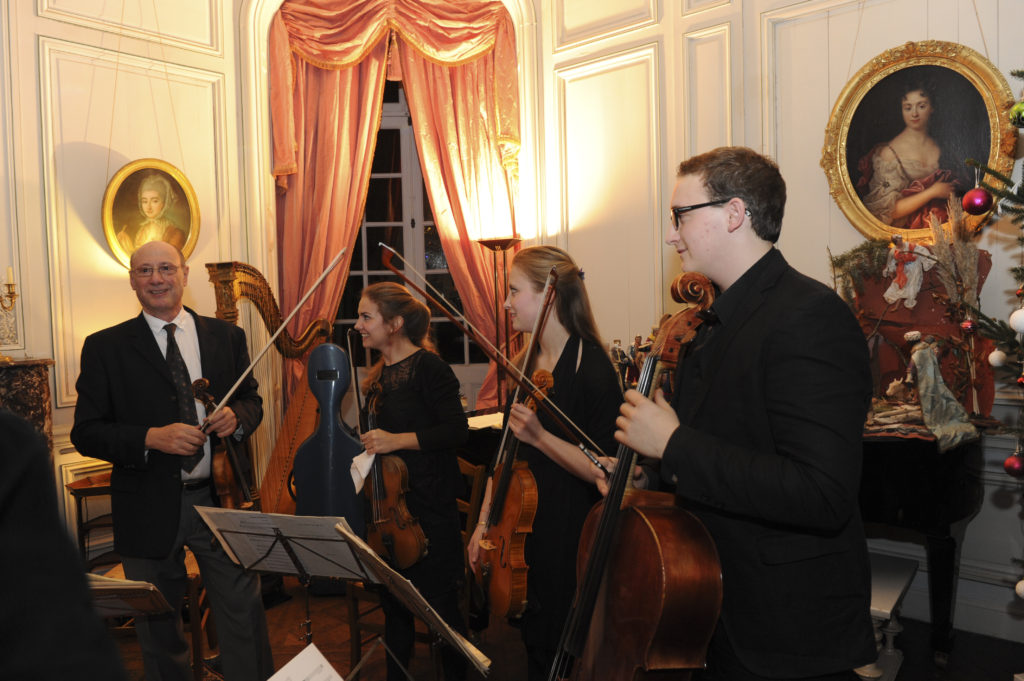
Many concerts took place at the château. Various artists and friends shared their talents here, such as pianist Anne Quefellec, harpist Marielle Nordmann and singer Joan Baez.
One castle, one family, one thousand years
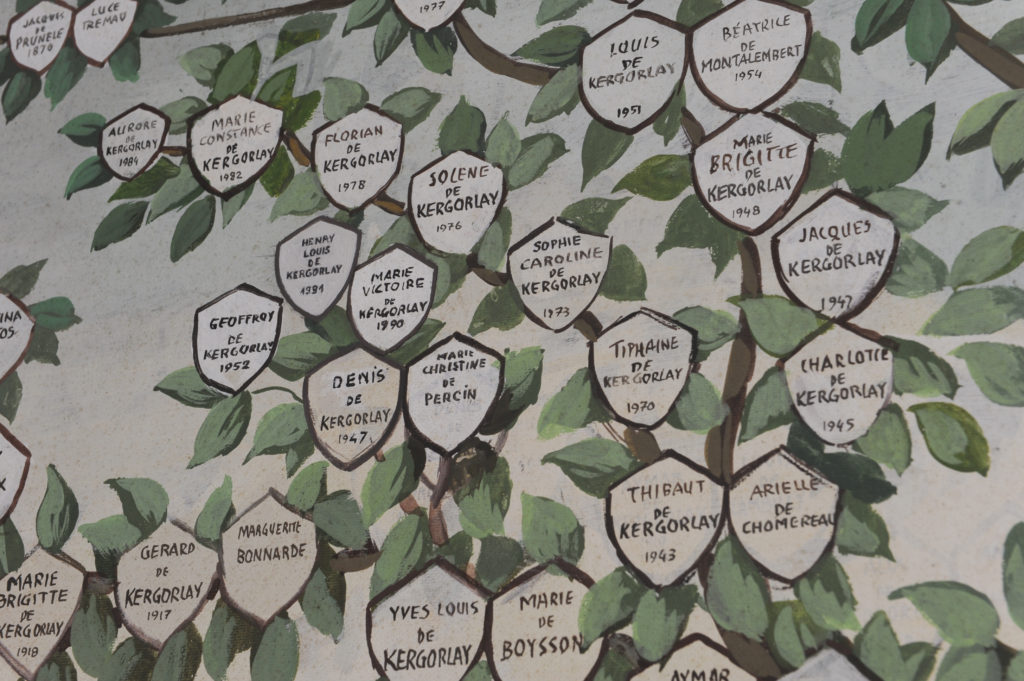
The owners of the chateau, Count and Countess de Kergorlay and their children Marie-Victoire and Henry-Louis are the descendants of some of William the Conqueror’s companions. Their family includes many leading figures whom we honor by giving their names to our suites, like Empress Joséphine first wife of Napoleon Bonaparte and a close cousin of the Countess’ family.
One of their ancestors was the son-in-law of famous Charles Carroll of Carrollton, who signed the American Declaration of Independence.